Volume One

‘You can’t fake connection’

  • 2.7MAnnual pageviews from 817,000 active users
  • 14,000Magazine copies distributed to 400 locations every two weeks
  • 45,000Social media followers
  • Nearly $3 millionAnnual revenue

At a Glance

Founded
March 2002
Location
Eau Claire, Wisconsin
Organization Type
Local, independent for-profit website and free biweekly print magazine
Ownership
Publisher Nick Meyer
Staff Size
About 30, of which 18 are full-time; 3.5 are editorial employees
Revenue Mix
Media, including Volume One advertising and video production (43%; 70% print, 30% digital), Retail and products (44%), Events, including tours and tickets (13%)

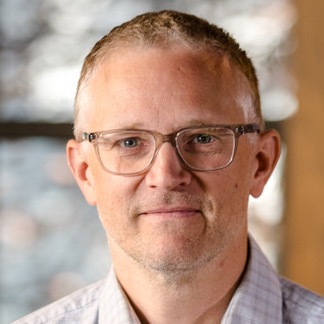
When he was 22 years old, Nick Meyer launched Volume One because he couldn’t find the local arts and culture stories he and his friends were looking for in Eau Claire, Wisc. “They weren’t being told in this community, so there was a big gap there,” he said.

Nearly 25 years later, the outlet covers community news, produces documentaries and commercial video, hosts community events and runs an events ticketing platform. It also operates The Local Store, which sells locally made products, rents scooters and e-bikes, and runs trolley tours.

“It started with wanting to be a media outlet to cover all these things, but it really became more of a place-based initiative than only a media-based initiative,” said Meyer, Volume One’s owner, publisher and creative director. “We were not only wanting to find different revenue streams – that really wasn’t the point at first. It was more, ‘What are the cool things that we think this community needed done that nobody was doing?’

Its coverage of the closure of the Hospital Sisters Health System’s Sacred Heart Hospital won statewide awards, and a 40-minute documentary about Eau Claire’s Hmong community that premiered in April to a sellout crowd of 1,200 viewers. Early last year, Managing Editor McKenna Scherer was also the first to report on a $1.6 billion data center project in the works in Menomonie, a neighboring city. The project was paused after the story was picked up by Wisconsin Public Radio and several national outlets.

Its themed issues explore the future of Eau Claire and how it could be improved, often taking a solutions journalism approach. “We're here to not just tell people about what is happening in the community right now, but also what could happen in the community,” Meyer said. “We're holding up a mirror to what this place is, but we're also trying to sprinkle a little bit of future dust on the mirror so you can see, well, what could we be if we just tried a little bit harder?”

One themed issue, which highlighted the activities of active neighborhood associations, inspired the founding of several new neighborhood associations and boards, which in turn led to new people getting involved. “Just showing what they were doing got everyone else around the city excited about those things too,” Meyer said.

But the events section, which comprises the back half of the magazine and represents the largest community events calendar in Chippewa Valley, remains Volume One’s best-known, Scherer said. Online, its most popular stories are often about food, drink and real estate. The three-and-a-half-person newsroom also covers community news, business, human-centric features, arts – visual arts, books, podcasts, performing arts – leisure and families.

“The civic engagement and partnership role that Volume One has played is undeniable,” Scherer said, reflecting on the changes she has seen in the area where she grew up. “People do associate us with finding the things worth having pride about in this area. There's so many beautiful things here, and I would argue, before Volume One, there was not a voice for that really.”

Advertising and sponsorships revenue has remained steady, with about 70% from print and 30% from digital products, Meyer said. Growth has come from the retail side of the business; most recently from the Chippewa River Trolley Co., which launched in 2023 and runs 30 different tours about agriculture, urban nature, wineries and breweries, dark history and more. “It's just a really cool, interactive way to tell stories,” Meyer said. For its next revenue stream, Volume One plans to launch an annual membership drive at its 25th anniversary party in March.

Volume One's First Foray Into Membership

Despite its many businesses, though, the most important piece is still the publication, Meyer said. “The magazine is the heartbeat of the whole thing, and none of it exists without that.”

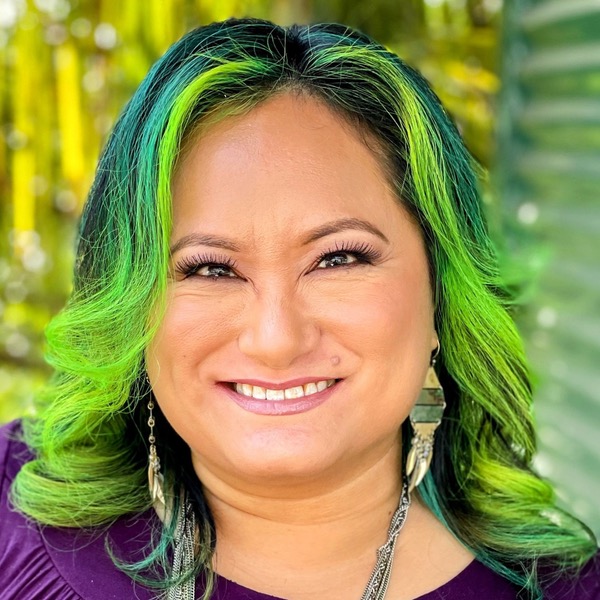
Jennifer Kho interviewed Meyer and Managing Editor McKenna Scherer on Zoom. This Q&A has been edited for length and clarity.

Revenue models & diversification

  • Jennifer Kho

    Take me to the beginning. How did Volume One start?

    Jennifer Kho
  • Nick Meyer

    When we started in 2002, it was all just for fun on the side. By 2004 or 2005, we had some part-time help. I was full-time starting in 2005 [when we were monthly]. In 2006, we went to an every-other-week format. That's when we started to get full-time staff and get a little bit more serious about the business of all of it. At the beginning, people were very skeptical. But we just kept plugging away.

    It's a free publication so people were like, “What can we do to support you?” We had some little membership drives and things early on, but really realized we needed a sustainable revenue source, so we did some merchandise – Volume One T-shirts and all that typical stuff. But then I realized people wanted even more than that.

    There was no place to buy the books [by] the local authors that we were telling people about. You couldn't really find those books everywhere. You could get [merch for local musicians] at shows, but you couldn't get them in a store. There was no community pride merchandise, really, and people felt good about this place that they lived.

    So we started to make items like that. We opened a small store in the front of our office. Then we bought a different building that was going to be our future office and used the front of our current office as a test zone. When we moved into our current office, we took the upstairs and made the entire lower level into a retail store, which has grown considerably. It's a major way for the community to interact with us, to come and see where we work, chat with us and buy goods in support of our organization. Over the years, the store ended up matching the [publication's] revenue, becoming almost 50% of the business.

    Nick Meyer
  • Jennifer Kho

    What about events, ticketing and the trolley tours?

    Jennifer Kho
  • Nick Meyer

    In the early 2000s, there were new parks being opened; a downtown revitalization was happening. We were the first ones to activate some of these spaces in our community.
    We were doing big citywide pillow fights as April Fool's Day jokes, concerts by the river, film screenings in an old dark alley that was just a really cool space, a big chalk art festival with artists doing huge chalk murals all over the parks, kickball tournaments, food truck events and all kinds of different things.

    We were doing those because we wanted to see those things happen in our community, but they also became great promotional vehicles for the media entity and another way is to connect with sponsors, another source of revenue. Some of the events started to have tickets as well.

    As we started doing events that needed tickets, we added the ticketing platform. We have dozens of clients around the community who also use that platform for their events – comedy events, music festivals, nonprofits, churches, community clubs. So that became a new, much smaller, revenue source.

    I have a background in video production as well, so we started to invest in that. We've done really high-end [video] projects for the universities here, the chambers of commerce, the big construction companies, banks, all kinds of big clients. We also use [video] ourselves, editorially, to tell stories and do social media videos.

    If all that wasn't enough or weird enough for a media organization, then comes the trolley, which is something I had wanted to do for a lot of years. Everything we're doing is about finding gaps in our own community.

    Then tourism interest in our community [continued] to grow. I've always been interested in the history of the community, but also what’s cool about the community now – the nooks and crannies that people don't always go, or that visitors would never know about unless someone took them directly there.

    The ticketing office helps bring in people for trolley tours, and the magazine helps promote the store and the trolley tours, and the trolley tours are really just another form of storytelling. Obviously, that's what the publication is – it's telling stories about what's happening in the community, about the history and the current culture – and that's what the trolley does as well.

    Nick Meyer
Trolley Tours: Volume One's Newest Revenue Stream
  • Jennifer Kho

    Which revenue streams matter most to the mix, and roughly what does the breakdown look like?

    Jennifer Kho
  • Nick Meyer

    Obviously, the print side of things has leveled off. We continued for quite a few years to defy the downward trend that most print media was seeing. We were still growing.

    It's a weird organization. Because, I mean, who wants to start a retail store? Most media executives don't want to start a retail store. They don't want to start a trolley, necessarily, but [we] are evidence of how you can be of value to your community and create fans and financial support back for the publication by what you're doing in the community and other ways you're telling stories.

    When we were starting the retail store, it leaned very heavily on the publication [for] the funding it needed to get up and running. Once we got to some lean years for the publication through COVID, it was able to lean back towards the retail side to help support the publication side. And now the newer bright spot for us is the trolley piece, where those other ones have leveled off and are just good and strong. There's a lot more growth happening on the trolley side as we add all these tours and expand.

    Nick Meyer

Leadership & operations

  • Jennifer Kho

    With so much going on, how do you prioritize and keep the organization focused?

    Jennifer Kho
  • Nick Meyer

    The most important mission of the organization, the most important service for the community, is still the publication. We have a pretty good share of attention in the community that looks to our pages for what's going on in town, what's new and what topics are on people's minds. So that's still the most important piece, but it's not the biggest part of the staff.

    We have our own content management system that we built as well, and the ticketing and stuff was all done in-house. That's a unique thing, and we've actually had clients use our content management system. That was never something I really wanted to focus on.

    While it's probably the brightest spot in terms of a scalable product to sell, if it's not about this place or this community, I'm not as interested. Even if it became a big business, I don't really want to run that. I'd rather be doing what we do here in this community. So we disincentivized people to use that system over time.

    Nick Meyer

Coverage & editorial strategy

  • Jennifer Kho

    How does your editorial approach differ from a traditional alt-weekly – and from traditional local news?

    Jennifer Kho
  • Nick Meyer

    One thing that's different, alt weeklies have a reputation of being just extremely negative a lot of the time. We'll cover things that aren't great sometimes about our community – a growing unhoused population and things like that.

    For the most part, we're here to shed light on all the good things that are happening in the community. We don't do house fires, car crashes, murder coverage or anything like that unless it became some major trend. We're a little bit different than traditional media that way, and we're a little bit different than alt weeklies in that we're more positive and more community-support oriented.

    McKenna [Scherer] really has pushed the envelope, and we've been doing our first Freedom of Information requests in these last few years.

    Nick Meyer
  • Jennifer Kho

    How would you describe your editorial focus and core topics, and how have they evolved? What's important to the community right now?

    Jennifer Kho
  • McKenna Scherer

    For us, we always say food and drink, and real estate, are probably always gonna pop, at least online where you can see the stats and the engagement, as well as news stories. We are not unique in that you're seeing the consolidation of local news. But post-COVID, the community has asked for more news coverage from Volume One than before.

    When Volume One started, there was a total lack of arts and culture coverage, and something I tell people when I talk about Volume One is that Nick had pitched The Leader-Telegram, our daily newspaper, about bands that he was booking. He used to be a music booker. They just weren't interested.

    As Volume One has taken on harder news, we haven't necessarily seen the traditional local media take on more arts coverage or culture coverage. Maybe there's just not bandwidth but I know we're all stretched very thin.

    We cover quite a bit. But we are hyper-local, for better or for worse. We are only focused on here. We're not doing state capital Madison coverage or Twin Cities.

    McKenna Scherer
  • Nick Meyer

    There's no wire stories or anything – 99.9% of the content is made by people in this community.

    Nick Meyer
  • Jennifer Kho

    Tell us about a story you’re proud of. How did you approach it and what happened?

    Jennifer Kho
  • McKenna Scherer

    Probably the most significant long-term project that we did was our first ever long-form documentary, which was about the Hmong community in our area.

    McKenna Scherer
  • Nick Meyer

    McKenna put enormous, enormous energy, along with our lead videographer, into this documentary that just debuted last spring, a 40-minute documentary telling the story of the entire Hmong community arriving in this community, what it has meant to this community, the difficulty that brought to that community, but also the richness that they have added to the fabric of this place. They just elicited some absolutely beautiful interviews from people and archival footage. We had a sold-out premiere with 1,200 people in the theater watching this film, and it's been shown at universities, some festivals and cultural events. We did a big feature story in print that McKenna penned to go along with that with the documentary, so it's got a full multimedia approach.

    Nick Meyer
  • McKenna Scherer

    It changed my life.

    McKenna Scherer
Volume One's Civic Engagement Role: 'The Best Friend that the City Has Ever Had'

Role & mission of journalism

  • Jennifer Kho

    How do you see the role that Volume One plays in your community? Describe it for us.

    Jennifer Kho
You Can't Fake Connection': Why McKenna Scherer is Optimistic about Local News

AI

  • Jennifer Kho

    The news landscape is changing rapidly – AI, social platforms, new community expectations, the political environment. How are you responding to hold onto and grow your audience?

    Jennifer Kho
  • Nick Meyer

    The first thing is just how do you continue to survive as a business? The events calendar has been [very important] for us over the years. That's starting to be sucked up by different AI engines and things, and you can get that information provided to you automatically by ChatGPT every Thursday before the weekend.

    But what [AI] can't do are the things that we are doing on the streets of this community – engagement in the events, trolley and retail. So we continue to focus on that experiential level. We're trying to lean into those things that we know can't be replicated by these new technologies, at least at this stage of things.

    Nick Meyer
  • McKenna Scherer

    We have a unique connection with the community and you can't fake connection, I don't think. And that's probably our strongest quality.

    McKenna Scherer

This interview is part of the State of Local News Report’s Bright Spots section, which highlights innovative local news outlets around the United States. These outlets offer lessons for others aiming to fill news gaps, grow audiences and community impact, and achieve financial sustainability. As local news deserts continue to spread, our hope is that others will be inspired by these stories so we can all make progress together. Find the complete list of 2026 Bright Spots here.

About the author

Jennifer Kho

Bright Spots editor

Jennifer Kho is a fractional leader, researcher and consultant specializing in newsroom innovation and transformation. She was most recently the executive editor of the Chicago Sun-Times. She previously served as managing editor and senior director of strategic innovation for HuffPost; managing editor for the Guardian US; and president of the Journalism & Women Symposium (JAWS).

Latest Posts